The Place I Wrote Before I Knew It
Cape Town Field Notes #1. The first dispatch from inside the setting.
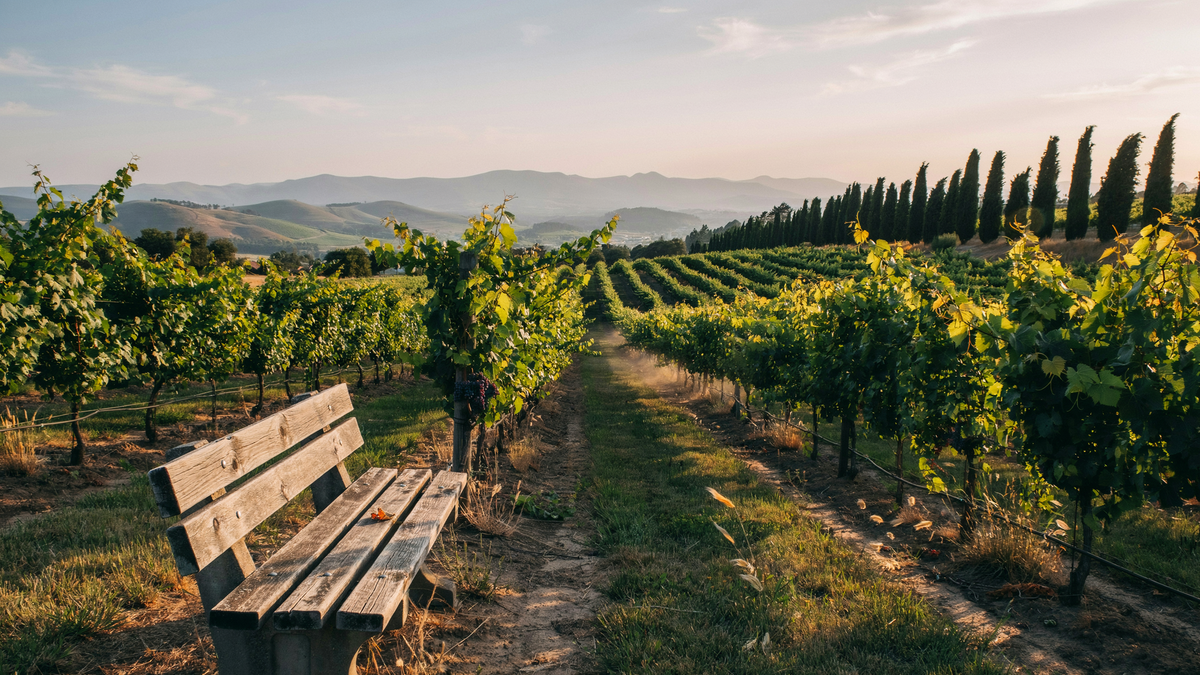
Late Harvest was set in Stellenbosch wine country. I had never been to Stellenbosch when I wrote it.
I wrote from images. From wine essays. From the wine I drank knowing it came from there. From an Instagram account I followed for two years run by a woman who lives at a vineyard I made up a version of. I wrote from longing more than knowledge. I knew the place was a character before I knew the place.
Two months ago I moved to Cape Town.
Last weekend I drove the hour to Stellenbosch and stood in the place I had spent three years writing about.
This is what I got right.
The light in the vineyards in late afternoon — exact. The way the mountains hold the valley like cupped hands. The smell of fermenting fruit at the cellar door. The way the road climbs and then drops in that particular way that makes you feel you have arrived somewhere private. I wrote those things from someone else's photographs and they were true.
This is what I got wrong.
The wind. I had not understood the wind. I wrote Stellenbosch as still — as a place where the light hung suspended over the rows. Stellenbosch has wind. Specific wind. The kind that comes off the mountains in the late afternoon and changes the temperature in five minutes. The kind that bends the cypresses and threads through the conversations on the patios so that people raise their voices without noticing they are raising them.
Dominique never raises her voice in Late Harvest.
In the actual Stellenbosch, she would have. Probably more than once.
I do not regret the version of Stellenbosch I wrote. The book stands. The book was true to what I knew when I wrote it.
But I owe the place an acknowledgment now that I have been there.
What changes when fiction's landscape becomes your actual landscape
The first thing is humility. Writing about a place you have not been is like writing about a person you have only seen in photographs. You get the shape right. You miss the weight.
The second thing is gratitude. For the reader from Cape Town who wrote me three weeks after Late Harvest came out to say you got the light right — that reader gave me permission to keep writing the next books. She did not say you missed the wind. Maybe she did not notice. Maybe she did. Maybe she was being kind. Whatever the reason, she gave me what writers need: confirmation that the imaginative effort had not been wasted on the wrong details.
The third thing is responsibility. Books three through six are still being written. PRESSED is set in Bo-Kaap. BLOOM is set on the Cape Peninsula coast. The Lighthouse Keeper is set at Cape Point. The Crossing is set on Robben Island. The Summit is set on Table Mountain. I have now been to each of those places at least once.
Each of those settings will be more accurate because I went.
Each of those settings is also already a character on the page, formed from what I knew before I went.
The work now is not to throw away the page-versions. The work is to let the actual places teach me where the page-versions were wrong, and to let those corrections show up in the next books.
The next books will know about the wind.
In sovereignty, Carly